Reef restoration with local dive teams

Build a PopStar. Grow a reef.

Build a reef structure with a local dive team and follow it long after your trip.

Build a PopStar

Give young coral a place to grow.

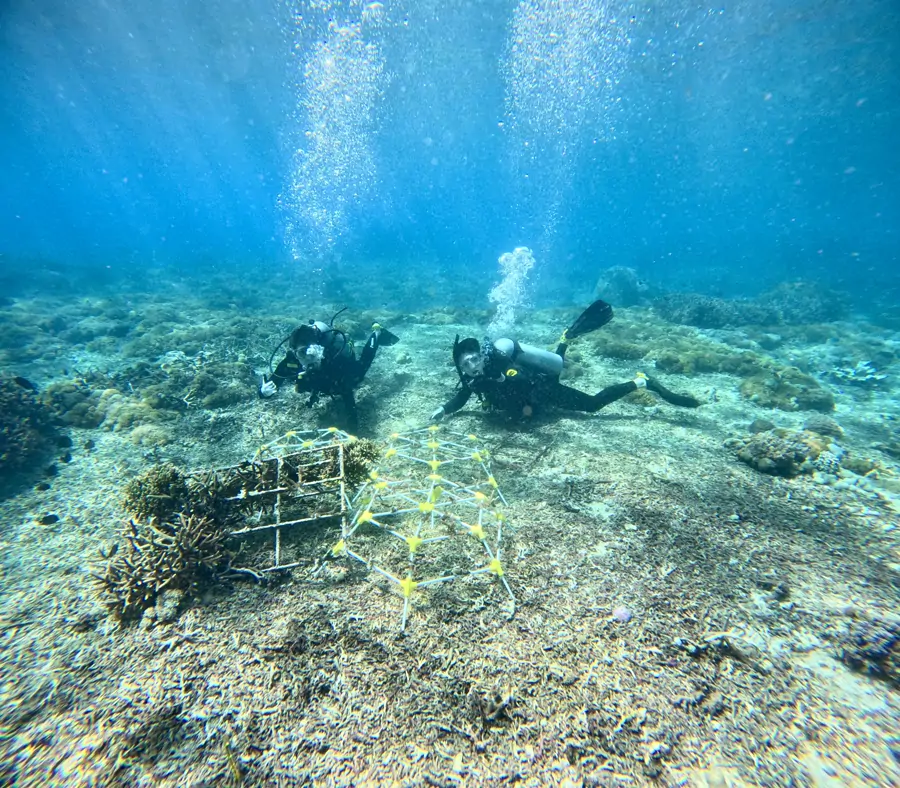
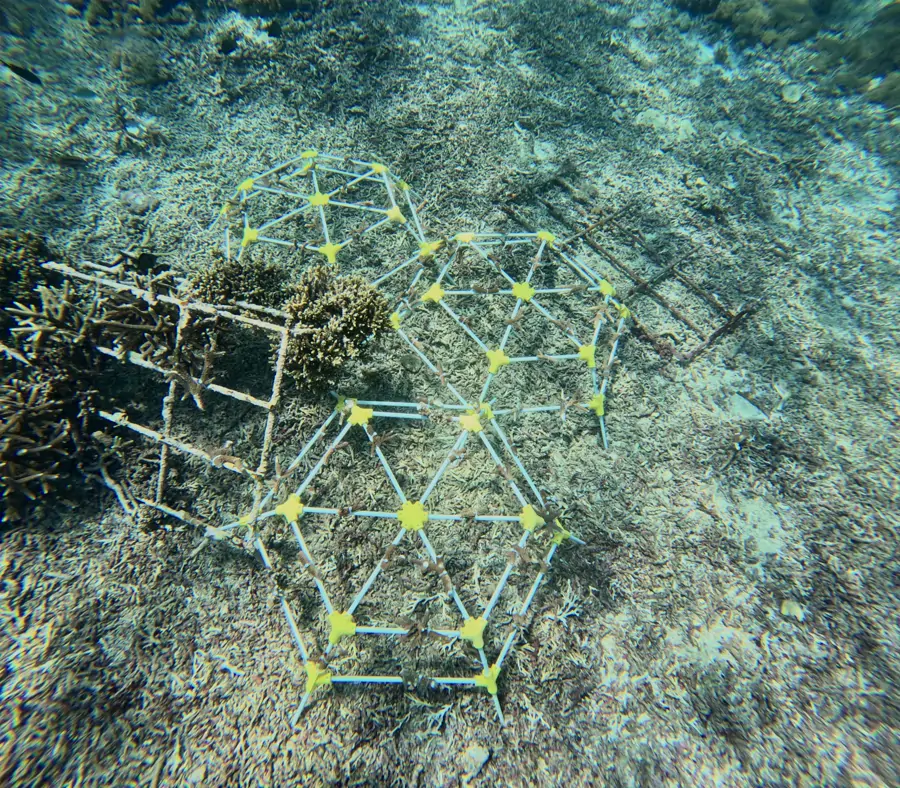
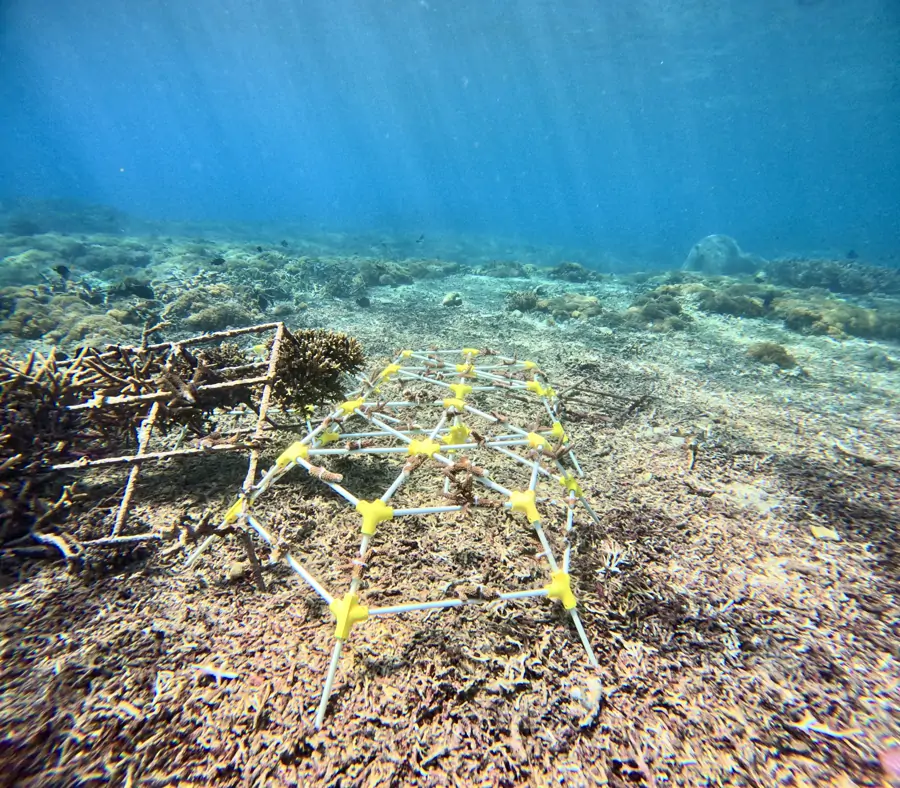
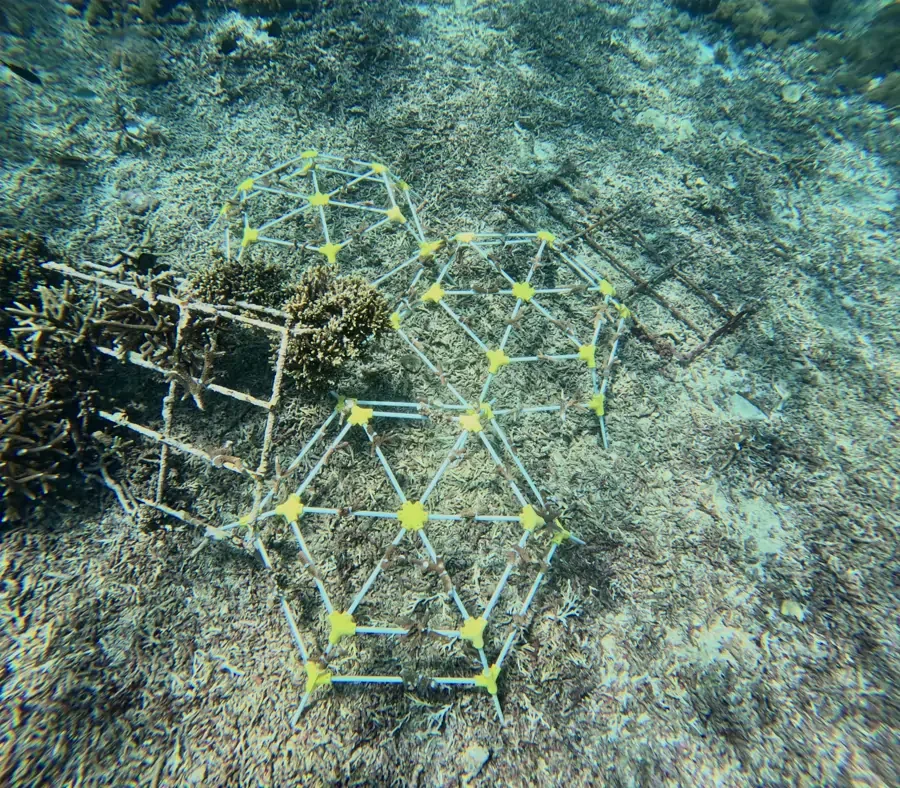
On your trip, build a PopStar with a local restoration team. Each frame can hold up to 24 coral fragments, giving them a stable place to attach. As the coral grows, it can provide shelter for fish and other marine life.

Seaforms’ first-pass estimate puts the material carbon of one PopStar below that of the coated-steel restoration frame we compared it with.

See the comparison basis

The first-pass estimate compares roughly 7–8 kg CO₂e per PopStar with 13–19 kg CO₂e per coated-steel frame. These figures cover materials only.

Film planned

From build to reef

A short film of guests and the dive team assembling PopStars before the team places them underwater.

Film planned

A reef update worth sharing

A short film of a guest seeing a new reef photo and sharing the public reef link on social media.

After deployment

A reef you can return to.

Find your visit in Trips and follow the reef structures your host connects to it. Published checks and photos show the reef team’s ongoing restoration work.

01

Find your visit

Your experience, host conversation and reservation stay together in Trips.

02

Follow your reef

After your visit, your host can connect the structures you helped restore.

03

Share a public reef link

If your PopStar has a public reef page, you can copy its link and share it yourself.

Impact so far

Built by divers. Growing at real restoration sites.

Live totals from PopStars and dive sites recorded by our partner teams, backed by the active Seaforms programme database.

Explore the impact

29

Partner dive sites

117

PopStars deployed

Partner divers place and check the structure underwater.
Flat-pack parts become a stable shape for coral fragments.
Follow the same PopStar as coral attaches and the site changes.

Follow what happens next

Find your next reef day.

Choose a restoration experience with a local dive team, then follow the reef after your visit.